

TL;DR Verdict
Cashless payments made through RFID-based prepaid cards are now changing the face of modern cashless payment systems in concerts, festivals, exhibitions, sports facilities, and other mass gatherings. In comparison with cash and card swiping transactions, RFID systems provide faster payments, reduced queue times, greater efficiency, more visibility, and higher payment security levels.
With more people demanding quick, seamless, and contactless transactions, RFID-based cashless payment systems have become an integral element in ensuring smooth operations during events. In addition, RFID technology can be used for access control, attendee monitoring, engagement, analysis, and live management of events.
In summary, RFID-based prepaid cards have become indispensable components of efficient event management.
Introduction
RFID-enabled prepaid cards are quickly emerging as the most popular form of cashless payment system for companies’ cafeterias, colleges, events, amusement parks, and other smart venues.
According to Statista, the global digital payments market is projected to exceed USD 20 trillion in annual transaction value in the coming years due to increasing cashless adoption worldwide.
In many cases, traditional cash payments cause problems such as queues, cash-flow reconciliation issues, revenue leakage, and more. All these problems can be solved with RFID-based prepaid systems that enable quick tap-and-pay transactions, monitoring, access control, and analytics.
Whether it is events that process thousands of people in one day or institutional cafeterias that need quick cashless transactions, RFID cashless systems are an effective solution. Based on the research from Deloitte, frictionless payment experiences significantly improve customer satisfaction and repeat purchase behavior. This guide will provide information about the advantages, uses, industry standards, and other things you must know before implementing such systems.
What Are RFID-Based Prepaid Cards?
Prepaid RFID Cards are a type of contactless cards which make use of Radio Frequency Identification (RFID) technology for quick and secure transactions without having to physically swipe the card or deal with cash. Research from Visa highlights increasing global adoption of contactless and wearable payment technologies. Such types of cards are used in the following places:
- Music festivals
- Stadiums
- Conferences
- Theme parks
- Corporate functions
- Hotels & resorts
- Trade shows
- Transportation systems
The customer loads money on their RFID card and then taps it on the payment terminal to make transactions. This helps make the transaction process more convenient and faster.
How are RFID Payments Better than Traditional Payments
| Feature | Cash Payments | Card Swipe Payments | RFID Prepaid Cards |
| Transaction Speed | Slow | Moderate | Very Fast |
| Queue Management | Difficult | Moderate | Highly Efficient |
| Contactless Experience | No | Partial | Yes |
| Fraud Risk | Higher | Moderate | Lower |
| Operational Tracking | Limited | Moderate | Real-Time |
| User Convenience | Moderate | Good | Excellent |
| Scalability for Events | Low | Moderate | High |
This comparison shows why RFID systems are increasingly preferred at large-scale events and venues.
Why a Cashless Canteen Management System Should Use an RFID-Based Prepaid Card?
Do you know that, according to PwC, cashless ecosystems are becoming central to operational efficiency and customer experience strategies across events, retail, and entertainment sectors? Well, now you do. So, let us find out some great advantages of an RFID-based prepaid card.
1. Increased Convenience and Security
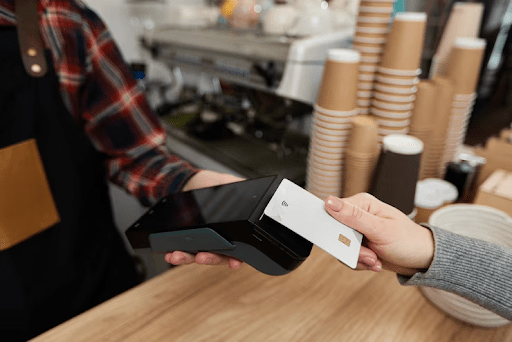
RFID based prepaid cards completely transform the ease and security of canteen transactions. There is always a chance of theft or loss when using traditional monetary methods. Nevertheless, because each user’s RFID card is individually programmed, the likelihood of fraudulent activity or illegal access is greatly decreased. This simplifies the buying process in addition to offering comfort.
At the point of sale, consumers or employees may just swipe or tap their cards, doing away with the need to carry cash or wait for change. Convenience is increased by this integrated experience, which speeds up transactions and improves overall operations.
Read More:- Contactless vs. Cashless Payment Solution (Understanding the Key Differences)
2. Effective Transactions Without Cash
In a cafeteria, handling cash can be a difficult process, particularly during peak hours. RFID based prepaid cards make transactions more effective and error-free overall. There’s no need to handle or count currency by hand because the cards come preloaded. By doing this, delays and errors are removed, guaranteeing that clients may easily and swiftly buy their meals or snacks. Because the cards are prepaid, users can monitor their balance and recharge as needed, which further improves system efficiency and encourages smart spending.
3. Instantaneous Tracking and Documentation

The capacity of RFID technology to deliver real-time data insights is one of its most notable advantages. Canteen managers may use this feature to keep an eye on inventory levels, trends in sales, and real-time client preference analysis.
Do you know that according to Juniper Research, digital wallets and alternative payment technologies are expected to process trillions in annual transactions globally? That is why making educated decisions is made possible by this data-driven approach, which may be used to modify menu choices in response to popular products or to optimize staffing levels during peak hours. With access to extensive information and analytics, managers may optimize operations to maximize productivity and satisfy customers.
4. Encourages a Culture Without Cash
Adopting RFID based prepaid cards for a cashless management system increases operational effectiveness. The hazards connected to handling cash, such as theft and fake money, are greatly reduced as more transactions move to digital channels. Additionally, customers like the ease and security of cashless transactions. It boosts their loyalty and sense of trust in the cafeteria. This change to a cashless culture fits well with larger cultural trends and presents the canteen as a cutting-edge, customer-focused business.
5. Customization and Scalability
RFID technology may be scaled and customized to meet the specific requirements of various canteen layouts. RFID-based solutions may be customized to manage different transaction volumes and menu complexity in a variety of settings, including busy corporate complex cafeterias and tiny office canteens. Because of its adaptability, the cashless canteen management system can develop with the company and meet changing operational and consumer expectations. RFID technology for cashless management systems offers a flexible option for canteen administration, whether it is used for integrating with other digital platforms, developing loyalty programs, or delivering incentives.
6. Lessening of Administrative Stress
The administrative burden that comes with managing cash is significantly reduced when a cashless canteen management system uses RFID based prepaid card. Canteen employees have to put in a lot of time and effort counting money, balancing accounts, and resolving any anomalies that occur when using traditional cash transactions. In addition to using up priceless resources, this manual procedure carries a risk of delays and mistakes.
Prepaid cards using RFID technology, on the other hand, automate these procedures and streamline the whole transaction process. Employees may concentrate on delivering exceptional customer service, keeping the space tidy, and guaranteeing the caliber of food options, which will eventually improve the canteen’s overall productivity and efficiency.
7. Promotes Prudent Spending Practices
When RFID-based prepaid cards are used in canteen settings, customers are encouraged to make better financial decisions. Putting a limited amount on their cards makes people more deliberate about what they buy. This awareness frequently translates into more deliberate food selections, which promotes the consumption of healthier foods and decreases food waste.
Based on the research from EventMB, technology-driven attendee experiences improve engagement, convenience, and operational scalability at large events.
Managers of canteens may take advantage of this change in behavior to encourage sustainability and health programs in their facilities. Additionally, RFID-based prepaid cards support a more sustainable approach to food consumption and a healthier eating environment for patrons by coordinating spending habits with health-conscious decisions.
8. Flowing Integration with Programs for Loyalty
RFID based prepaid cards easily link with loyalty programs, providing canteens and patrons with a host of advantages. Canteen guests may access special deals, earn points, and receive discounts depending on their purchasing habits by connecting their RFID cards to loyalty accounts. Due to incentives to visit the canteen and take part in the rewards program, this integration promotes consumer engagement and loyalty.
From the viewpoint of the canteen, information gathered via loyalty programs offers insightful information. It may include the information about consumer preferences, enabling customized promotions and marketing activities. Additionally, RFID technology and loyalty programs work together to create a win-win partnership that improves consumer satisfaction and encourages repeat business.
9. Enables Contactless Purchases
Having the capacity to perform contactless transactions is crucial in the modern, health-conscious world. Prepaid cards using RFID technology provide a sanitary and practical payment option that lowers the possibility of germ transmission. To improve safety during transactions, customers may just touch or scan their RFID cards at the point of sale without making physical contact.
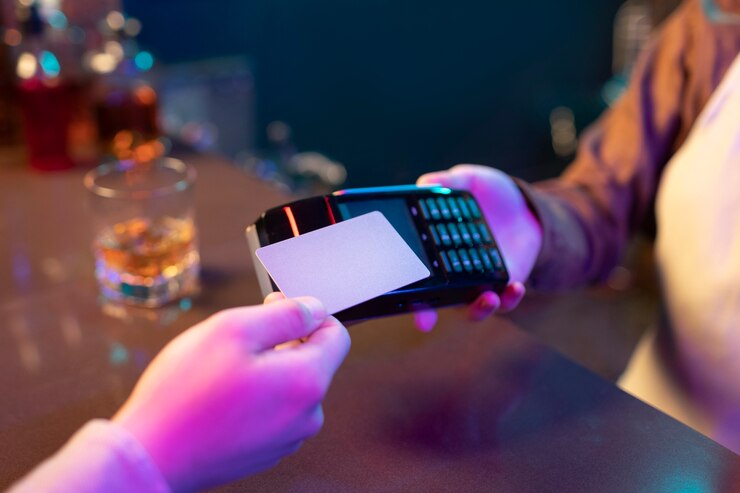
This contactless capability is very helpful for encouraging a safe eating experience or in times of health emergency. Cashless canteen management systems that use RFID technology show their dedication to giving their customers a contemporary, safe, and hygienic payment experience by putting their customers’ safety and comfort first.
10. Makes Tailored Meal Plans Possible
Canteens may provide their patrons with personalized meal plans or dietary choices thanks to the flexibility of RFID-based prepaid cards. Through the process of attaching individual RFID cards to personal preferences or dietary restrictions, customers are able to access menus that are customized to meet their specific needs. Additionally, this degree of customization boosts client happiness and promotes return business.
Canteens can now offer a customized eating experience that meets a wide range of consumer needs thanks to RFID technology. In addition to improving the entire eating experience, this personalization increases patron retention and loyalty.
11. Strengthens Privacy and Data Security
Prepaid card systems based on RFID emphasize data security and privacy, guaranteeing that consumer information is always kept safe. Sensitive information, including card balances, transaction histories, and personal information, is protected by sophisticated encryption techniques and secure protocols.
In addition to adhering to legal obligations, canteens that use RFID technology to emphasize data security and privacy also show a dedication to upholding the highest levels of honesty and consumer confidence.
12. Supports Green Initiatives
By encouraging eco-friendly canteen operations and decreasing paper waste, the switch to RFID-based prepaid cards contributes to green initiatives. In contrast to conventional cash transactions, which frequently need manual accounting procedures and printed receipts, RFID technology does away with the requirement for paper documentation. This decrease in paper waste helps to create a more sustainable environment by reducing the carbon footprint of canteen operations and preserving resources.
Consumers who respect sustainability in the environment are inclined to value and support canteens that promote environmental activities by utilizing cutting-edge technologies such as RFID-based prepaid cards. Canteens may improve their business image and attract environmentally aware customers by adopting eco-friendly trends.
13. Reduces Queues and Speeds Up Service
Anyone who’s ever stood in a long lunch line knows how frustrating slow service can be. Traditional payment methods like cash or manual entries slow things down, especially when there is a crowd. But with a cashless card system, things move faster. All it takes is a quick tap, and the payment goes through instantly. This isn’t just helpful for customers trying to grab a bite on time. It also helps staff serve more people in less time, without juggling coins or writing things down. A smooth-running cafeteria card system makes checkout short and stress-free, which leads to better service and less chaos during peak hours.
14. Ideal for Modern Canteens in Places Like Dubai
Dubai is known for its love of innovation, and canteen tech is no exception. Many schools and offices now rely on a cashless canteen system in Dubai because it’s fast, clean, and easy to manage. RFID prepaid cards make everything simple. Staff don’t have to handle coins or worry about fake currency. People can just tap and go. Plus, the system handles reports, top-ups, and item tracking automatically. For a city that’s always in motion, a cashless canteen setup fits right in and helps maintain a polished and professional environment.
15. Helps Parents or Companies Monitor Usage
In school or office canteens, keeping an eye on food spending is important. RFID-based systems make this simple. With the right canteen payment system, parents can check what their kids are eating, and companies can track staff meal allowances. There is no more guessing or collecting paper tokens. Every transaction is logged, and limits can be set if needed. This creates more transparency and builds trust. Whether it’s to support healthy eating or manage budgets, a cashless canteen setup gives full control and fewer surprises.
Read More:- RFID Cashless Payment System for Events: 11 Reasons to Use
Why Frictionless Event Experiences Will Continue to Grow
Modern-day participants will evaluate not only the entertainment or content of an event but also the operational ease of use. Long waiting times, late payment transactions, and inefficiencies in venue management affect event participant experience.
That is why solutions like RFID payments, QR-based admission, contactless environments, and wearable credentials are now commonplace in most modern events.
The benefits of events with minimized friction include:
- Higher participant satisfaction
- More revenue is generated from each participant
- Superior crowd management
- Operational insights and oversight
- Leverage sponsors better
- Participant retention for next time
Operational convenience has become one of the key differentiators in the modern event experience industry.
Final words:
As we come to the end of our study of the use of RFID-based prepaid cards in cashless canteen management systems, it is evident that this technology offers benefits beyond simple payment processing. Efficiency, security, and customer pleasure are all accelerated by it. Canteens may simplify operations, lessen administrative workloads, and encourage customers to make better purchasing decisions by implementing RFID based prepaid cards. RFID technology is a valuable tool in contemporary canteen environments because of its connection with loyalty programs, contactless transactions, tailored meal plans, data security measures, and assistance for green efforts.
FAQs
In order for RFID prepaid cards to work, they need to rely on radio frequencies in order to facilitate contactless transactions.
There is improved efficiency, reduced lines, less physical currency exchange, and increased comfort.
Absolutely! Nowadays, many RFID payment systems employ encryption technology and secure authentication processes.
Depending on how the payment system is set up and whether there is internet access, some RFID payment platforms can be used even when offline.
In the case of high-foot traffic areas such as music shows or festivals, RFID payments tend to be more effective.
RFID systems are widely used across events, festivals, hospitality, transportation, sports venues, exhibitions, and entertainment environments.