

TL;DR
Cashless payment solutions help businesses and event organizers process transactions faster, reduce cash-handling risks, improve customer experiences, and gain real-time sales insights. They also support better security, shorter queues, and more efficient operations.
Key Takeaways
- Cashless payment solutions can reduce transaction times and help businesses serve more customers during busy periods.
- Digital payments eliminate many of the risks associated with handling physical cash, including theft, loss, and counting errors.
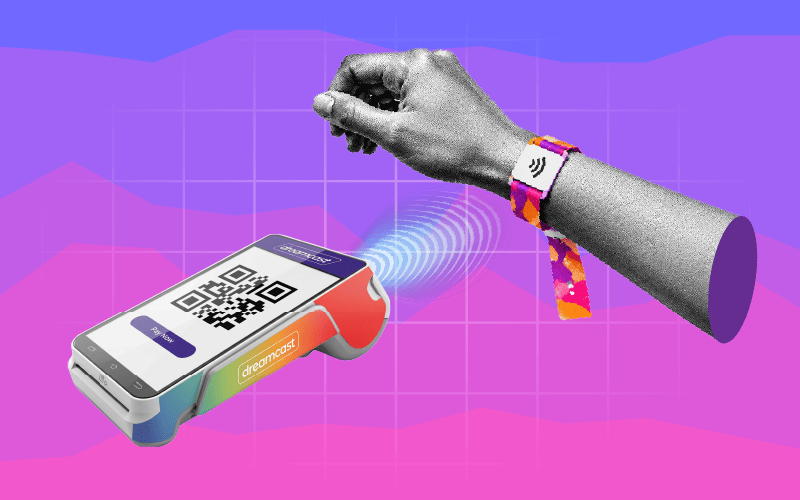
- Event organizers can use RFID wristbands, NFC cards, QR codes, and mobile wallets to create faster and more convenient payment experiences.
- Real-time transaction data helps businesses track sales, monitor performance, and make informed operational decisions.
- Shorter payment queues often lead to improved customer satisfaction and a smoother overall experience.
- Cashless systems can simplify financial reporting by automatically recording every transaction.
- Mobile wallets and contactless payments continue to gain popularity among consumers worldwide.
- Businesses can reduce administrative work by automating payment reconciliation and transaction tracking.
- Cashless payment solutions support better inventory management through instant sales visibility.
- Organizations that adopt digital payment technologies are better positioned to meet growing customer expectations for speed and convenience.
In a world rapidly advancing toward digital transformation, cashless payment solutions have emerged as a game-changer, reshaping the way individuals and businesses conduct financial transactions. Gone are the days when carrying wads of cash or writing checks was the norm. Today, cashless payments are becoming increasingly prevalent. In this article, we will delve into the benefits of using cashless payment solutions and explore how they have transformed the way we manage our finances.
What are the Top Benefits of a Cashless Payment System
Cashless payments are important for several compelling reasons, as they offer numerous advantages to individuals, businesses, and economies as a whole. Here are some of the top benefits of cashless payment solutions in today’s world:
| Benefit | Why It Matters |
| Convenience | Allows users to make payments anytime through cards, mobile wallets, QR codes, or other digital methods without carrying cash. |
| Enhanced Security | Uses encryption, authentication, and fraud prevention measures to help protect payment information and reduce theft risks. |
| Better Record Keeping | Creates digital transaction histories that make expense tracking, audits, and financial reporting easier. |
| Accessibility | Enables more people to participate in digital transactions through mobile wallets, prepaid cards, and other payment options. |
| Contactless Payments | Supports tap-and-pay transactions, helping reduce physical contact and speed up the payment process. |
| Loyalty Programs and Rewards | Gives customers access to cashback offers, discounts, points, and reward programs linked to digital payments. |
| Seamless Online Shopping | Makes online purchases faster and more convenient without relying on cash-based transactions. |
| Budget Tracking and Financial Management | Provides real-time spending visibility through transaction histories, statements, and budgeting tools. |
| Quick and Efficient Transactions | Reduces checkout times and helps businesses serve more customers during busy periods. |
| Eco-Friendly | Lowers the need for printing, transporting, and managing physical currency. |
| Improved Accountability | Creates transparent transaction records that simplify accounting and reduce reporting errors. |
| Automatic Bill Payments | Helps users pay recurring bills on time through automated payment scheduling. |
| Enhanced Financial Literacy | Gives users better visibility into spending habits, helping them make informed financial decisions. |
| Reduced Cash Handling Costs | Reduces expenses related to counting, storing, transporting, and securing cash. |
| Emergency Preparedness | Allows users to access funds and complete transactions even when physical cash is unavailable. |
1. Convenience
One of the most significant advantages of cashless payment solutions is the unparalleled convenience they offer. Gone are the days of carrying bulky wallets or purses filled with cash. In the financial year 2023, almost 114 billion digital transactions were recorded across the country. With cashless options, you can make transactions with a simple swipe, tap, or click, making payments faster and hassle-free. Whether you’re shopping at a retail store, dining at a restaurant, or purchasing items online, the ease of cashless payments streamlines the entire process.
Moreover, cashless payment systems are available 24/7, allowing users to make transactions at any time, whether it’s midnight or during a holiday when banks are closed.
2. Enhanced Security
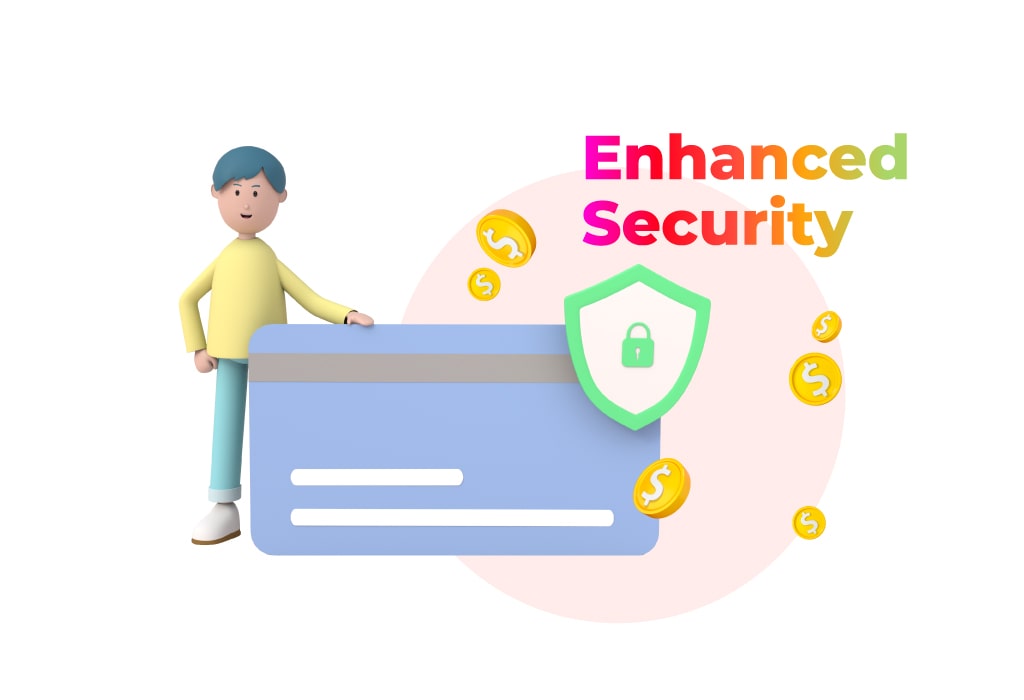
Cashless payment solutions such as contactless point-of-sale devices provide enhanced security compared to cash transactions. Cashless payment methods often employ robust encryption techniques and multi-factor authentication to protect your financial information during transactions. This reduces the risk of theft and fraud, as well as the need to carry large sums of cash that can be lost or stolen.
For instance, if your card is lost or stolen, you can quickly report it, preventing unauthorized use. Additionally, many cashless payment systems offer features such as fingerprint or facial recognition authentication, further safeguarding your financial data.
3. Better Record Keeping
Another significant pro of a cashless payment system is the ability to maintain detailed and organized records of your transactions. Traditional cash transactions often result in paper receipts that can be easily misplaced or damaged. In contrast, cashless transactions generate digital records that allow you to track your spending, monitor your budget, and simplify the process of tax preparation. You can review your transaction history, categorize expenses, and create budgets more effectively.
4. Accessibility
Cashless payment solutions are highly accessible, making them a viable option for people of all demographics. Whether you have a bank account or not, there are various options available. Mobile wallets and prepaid cards, for example, enable those without traditional banking access to participate in cashless transactions. This inclusivity helps bridge the gap in financial services and promotes financial inclusion. Payments consulting services can further enhance this ecosystem by offering expert guidance to businesses on implementing efficient and secure cashless payment systems.
5. Contactless Payments
The emergence of contactless payment technology has further amplified the benefits of cashless transactions. Contactless payments allow you to complete transactions without physical contact with the payment terminal, reducing the risk of germs and viruses. This feature became especially important during the COVID-19 pandemic, as it encouraged safer payment practices and reduced the need for handling cash.
6. Loyalty Programs and Rewards
Many digital payment solutions offer loyalty programs, cashback rewards, and discounts for users. Credit card companies, mobile wallet providers, and online payment platforms often incentivize consumers to use their services by offering cashback on purchases, airline miles, or other rewards. These incentives can lead to significant savings over time, making cashless payments more attractive.
7. Smooth Online Shopping
The rise of e-commerce has made cashless payments indispensable for online shopping. Without the need for physical cash, you can shop from the comfort of your home, choosing from a vast array of products and services. Moreover, digital payment solutions have made international online shopping more accessible, eliminating currency conversion hassles and simplifying cross-border transactions.
8. Budget Tracking and Financial Management
Cashless payment systems often come with features that allow you to monitor your spending in real-time. Many banking apps and payment platforms provide categorized transaction histories, charts, and insights, making it easier to set and stick to your budget. This level of financial visibility can help you make informed decisions about your finances.
Most cashless payment solutions offer digital receipts and monthly statements, providing a clear overview of your financial activity. This simplifies expense tracking and aids in tax preparation.
9. Quick and Efficient Transactions
Cashless payments are incredibly fast, reducing checkout times at stores and enabling faster service at restaurants. Whether you’re tapping your card or scanning a QR code, cashless transactions can significantly reduce waiting times, making the overall shopping or dining experience more efficient.
10. Eco-Friendly
Cashless payments contribute to environmental sustainability by reducing the need for physical currency production. The process of producing and distributing paper money and coins consumes valuable resources and generates greenhouse gas emissions. Embracing cashless methods helps minimize the environmental impact associated with traditional cash. They are more energy-efficient than the production and transportation of physical currency.
11. Improved Accountability
For businesses, cashless payments provide a transparent and accountable record of transactions. This reduces the potential for internal theft or mishandling of cash. It also simplifies accounting processes, as digital records can be easily integrated into accounting software, reducing the risk of errors.
12. Automatic Bill Payments
Cashless payment solutions allow you to set up automatic bill payments for various services, such as utilities, subscriptions, and loans. This automation ensures that you never miss a payment deadline, preventing late fees and improving your credit score.
13. Enhanced Financial Literacy
Managing your finances through a cashless payment system encourages financial literacy and responsibility. With easy access to transaction history and spending data, you can gain a better understanding of your financial habits, identify areas where you can save, and plan for long-term financial goals.
14. Reduced Cash Handling Costs
For businesses, cash handling can be costly and time-consuming. Counting, storing, and transporting cash can result in expenses related to security, transportation, and labor. By accepting cashless payments, businesses can streamline their operations and potentially reduce these overhead costs.
15. Emergency Preparedness
Cashless payments offer an added layer of security during emergencies, such as natural disasters or unforeseen events like lost or stolen wallets. With digital payment methods, you can quickly access your funds and make necessary purchases even when you don’t have access to physical cash.
How Cashless Payment Systems Scale for Different Types of Events
Scalability is one of the best advantages of cashless payment systems. It is about how easily it can scale according to the different types of events. That means, cashless solutions scale to all sizes of events. No matter whether it is about a small corporate seminar or a large music festival. The system can adjust when it is needed.
| Event Type | Recommended Cashless Setup | Key Benefit |
| Small Events (Seminars, Workshops, Meetups) | NFC payments and POS terminals | Low setup cost and smooth payment processing |
| Mid-Sized Events (Trade Shows, Exhibitions, Conferences) | Multiple payment points, vendor dashboards, and real-time reporting | Faster service and better operational visibility |
| Large Events (Festivals, Concerts, Multi-Day Events) | RFID wristbands with centralized management | Handles high transaction volumes and supports offline payments |
For small events, an NFC and POS based setup is more than enough. The hardware is minimal. The moderate payment volumes can be handled smoothly. This keeps the cost low. Also, it still offers the benefits of digital payments.
For mid-sized events, organizers can expand the system. The mid-sized events can be exhibitions or trade shows. So, expansion can be done by adding payment points, vendor dashboards, and real-time reporting tools. This ensures faster service and better coordination between vendors and management teams.
For large-scale festivals or multi-day events, advanced solutions like RFID wristbands can be deployed. These systems handle thousands of transactions per hour, work across multiple zones, and can even function in offline mode when needed. They also allow centralized monitoring and quick troubleshooting.
Overall, cashless payment systems are flexible. They grow with your event. It makes them suitable for every event.
Types of Businesses that Should Incorporate Cashless Payments
Incorporating cashless payments can benefit a wide range of businesses across various industries. Here are some types of businesses that should consider adopting a cashless payment system:
| Business Type | How Cashless Payments Benefit Them |
| Brick-and-Mortar Retail Stores | Improves checkout speed, reduces cash handling, and gives customers more payment options through cards, mobile wallets, and contactless payments. |
| Restaurants and Food Services | Speeds up billing, supports online ordering and food delivery payments, and helps reduce waiting times during peak hours. |
| E-commerce and Online Businesses | Enables secure online transactions, supports multiple payment methods, and improves the customer checkout experience. |
| Hospitality and Accommodation | Simplifies room bookings, guest payments, and on-site purchases while improving operational efficiency. |
| Entertainment Venues and Events | Supports fast ticket purchases, merchandise sales, food and beverage transactions, and helps manage large transaction volumes efficiently. |
| Healthcare Services | Makes it easier for patients to pay consultation fees, medical bills, prescription costs, and other healthcare-related expenses. |
1. Brick-and-Mortar Retail Stores
Traditional retail stores, including clothing boutiques, electronics shops, supermarkets, and convenience stores, can significantly enhance customer convenience by accepting cashless payments.
2. Restaurants and Food Services
Fine dining, casual dining, and fast-food establishments can all benefit from cashless payment options. This includes sit-down restaurants, cafes, and food trucks. Businesses offering food delivery services should provide cashless payment options on their websites or mobile apps.
3. E-commerce and Online Businesses
– Online Retailers: E-commerce businesses selling products through websites or mobile apps should offer a variety of cashless payment methods to cater to their customers’ preferences.
– Subscription Services: Companies offering subscription-based services, such as streaming platforms, software as a service (SaaS), and subscription boxes, benefit from recurring cashless payments.
4. Hospitality and Accommodation
– Hotels and Lodging: Hotels, motels, bed and breakfasts, and vacation rentals should accept cashless payments for room bookings and on-site purchases.
– Travel Agencies: Travel agencies offering tour packages, flights, and vacation bookings should provide cashless payment options on their websites and in person.
5. Entertainment Venues and Events
Movie theaters, concert halls, theme parks, and sports arenas should offer cashless payment methods for ticket purchases and concessions. Event organizers for conferences, festivals, and expos should incorporate cashless payment solutions for ticket sales and merchandise purchases.
6. Healthcare Services
Doctors’ offices, clinics, and hospitals should offer cashless payment options for patient co-pays, bills, and healthcare expenses.
Pharmacies can also benefit from accepting cashless payments for prescription medications and over-the-counter purchases.
In a nutshell
Cashless payment solutions have become an integral part of our modern lives, offering various benefits that extend far beyond the convenience of quick transactions. Enhanced security, better record-keeping, accessibility, and the opportunity to earn rewards are just some of the advantages that cashless payments provide. As technology continues to advance, we can expect even more innovative cashless payment solutions to make our financial transactions more efficient and user-friendly than ever before. Embracing cashless payment methods can undoubtedly enhance your financial management and simplify your daily transactions.
FAQs
Yes, contactless payments are generally secure. They use encryption technology and tokenization to protect transaction data. Additionally, many contactless methods have built-in security features, such as biometric authentication (fingerprint or facial recognition) or PIN entry.
Contactless payments use NFC technology to enable communication between a payment device (e.g., a contactless card or mobile wallet) and a compatible payment terminal. When the device is held near the terminal, the transaction data is transmitted securely, allowing the payment to be processed.
To make contactless payments, you typically need a contactless-enabled card (which is increasingly common) or a smartphone or wearable device with NFC capabilities. Check with your cashless payment solution provider to see if they offer contactless cards.
Cashless payment solutions help businesses process transactions faster, reduce cash-handling risks, improve customer convenience, automate reporting, and provide real-time sales visibility.
Cashless payment systems allow customers to pay using methods such as mobile wallets, QR codes, NFC payments, RFID wristbands, smart cards, debit cards, or credit cards instead of physical cash.
Yes. Most modern cashless payment systems use encryption, tokenization, authentication methods, and transaction monitoring to help protect payment data and reduce fraud risks.
Cashless payments speed up transactions, reduce queues, improve attendee experiences, simplify vendor operations, and provide organizers with real-time transaction data.
Many businesses and event organizers report higher transaction volumes because customers can make purchases more quickly and conveniently without handling cash.
Retail stores, restaurants, event venues, stadiums, amusement parks, festivals, transportation providers, hotels, and entertainment businesses commonly benefit from cashless payment systems.
They can help reduce expenses related to cash counting, cash transportation, reconciliation, theft prevention, and manual financial reporting.