
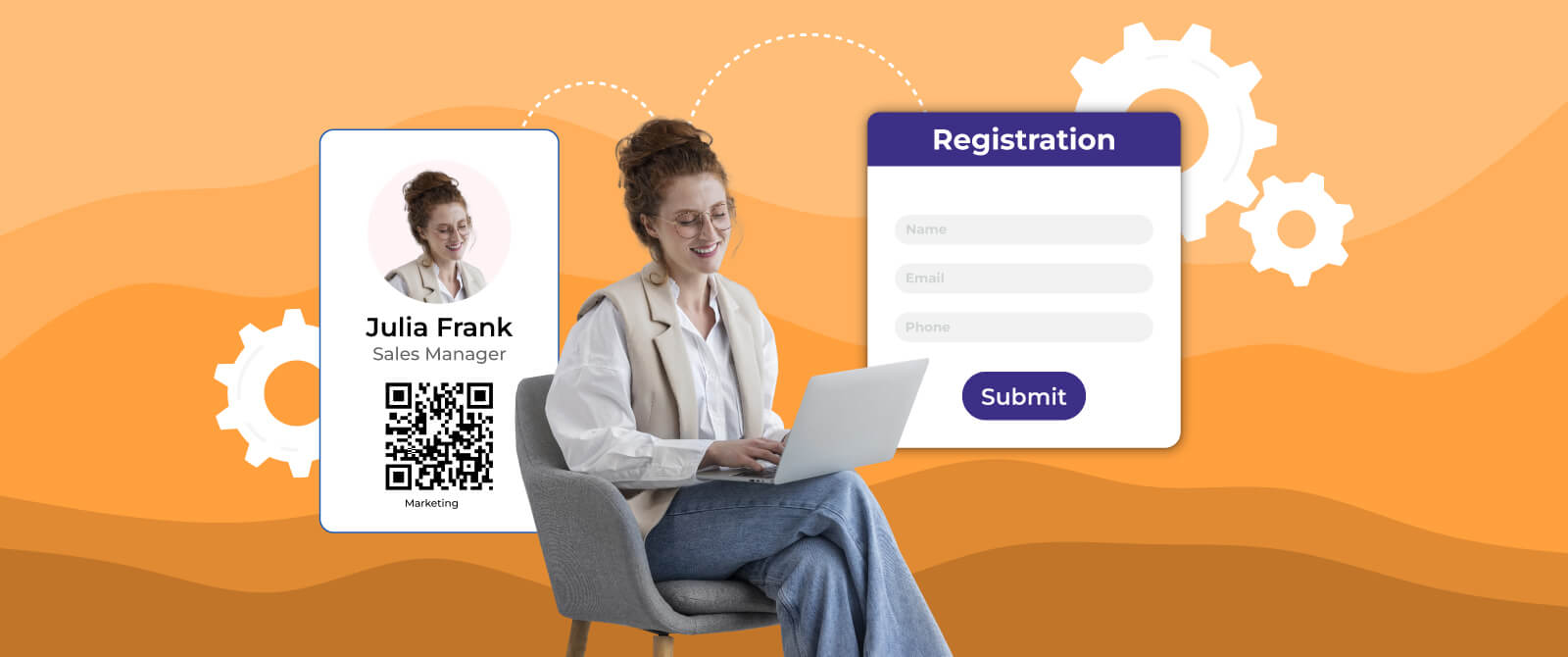

Event personalization helps attendees discover the right content, people, and opportunities faster. By using attendee preferences, behavioral data, event apps, matchmaking, and targeted communications, organizers can improve engagement, networking outcomes, and overall event satisfaction.
As events continue to grow in scale, personalization has become essential for creating relevant attendee experiences. Platforms like Dreamcast help automate and scale personalization through intelligent event technology, enabling organizers to deliver more engaging and impactful events.
Introduction
Think about when your attendees get a personalized experience curated just for them at every stage of the event.
That’s when your event personalization is in action.
In 2025, personalization isn’t just a luxury, it’s the expectation. Attendees want experiences that feel like they were built just for them.
In this guide, we’ll explore everything you need to know about event personalization, from why it matters, how it works to actionable strategies that you can start using today.
Event Personalization Statistics That Matter
- 71% of consumers expect personalized interactions from companies. Attendees increasingly expect event experiences to reflect their interests, goals, and preferences.
- 76% of consumers get frustrated when personalization does not happen. Generic event experiences can reduce engagement and satisfaction.
- Organizations that excel at personalization generate faster revenue growth. The same principle applies to events through higher participation, sponsor value, and attendee retention.
- Customer experience remains a major competitive differentiator. Events are experience-driven environments where personalization directly influences attendee perception.
- Data-driven organizations outperform competitors in engagement and decision-making. Effective event personalization depends on attendee data and behavioral insights.
Mobile devices continue to dominate digital interactions. Most personalized event experiences are now delivered through mobile event apps.
What Is Event Personalization?
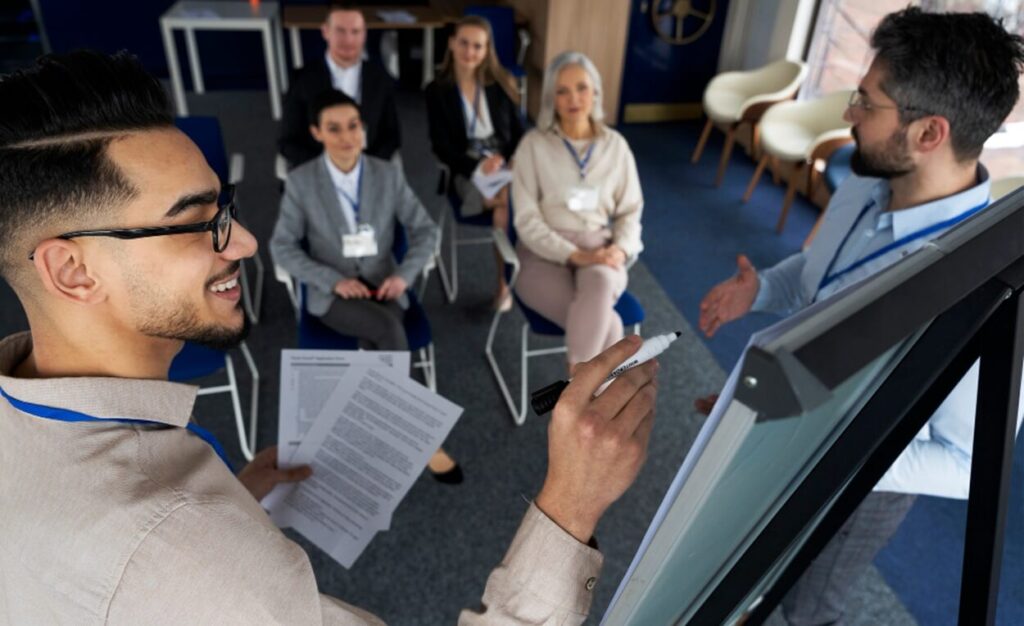
Event personalization is all about creating event experiences that feel like they were made just for you.
You can think of it like instead of sending the same message to thousands of attendees, you’re customizing content, sessions, networking opportunities, and even emails according to every person.
Personalization makes a difference for even a general conference, where attendees don’t feel lost. Instead, they are welcomed by name, know where to go, who to meet, and what to interact with.
And thanks to modern event tech, this level of customization isn’t limited to big events. It’s accessible and scalable for events of all sizes.
Why Event Personalization Matters
In today’s customized event experience world, personalization isn’t just a “nice-to-have”; it’s what attendees expect.
Here’s why it matters now more than ever:
1. Attendees Demand Relevance
People don’t have time to waste. When your event speaks to their specific needs and goals, they’re more likely to engage, participate, and stick around.
2. Increased Engagement & Satisfaction
When attendees feel like you know them, the engagement increases during sessions. They’re more active during networking and more likely to leave great feedback.
3. Boosted ROI for Organizers and Sponsors
Personalization helps match the right people to the right sessions, sponsors, and conversations. That translates to higher quality leads, more conversions, and stronger post-event metrics.
4. Better Brand Loyalty
An event that feels personal is memorable. Attendees are far more likely to return next year and recommend it to others.
The bottom line is that a customized event experience transforms events from “one-size-fits-all” to “wow-this-was-made-for-me.”
Also Read: Top Live Streaming Trends Transforming Events in 2026: A Complete Guide
Event Personalization Strategies at Every Stage
Event personalization isn’t limited to what attendees are going to experience on-site. But it goes beyond by personalizing the complete journey, from registering for an event to the post-event strategies.
Let’s get into each stage of the event with event personalization strategies:
1. Pre-Event Personalization
Personalization can be started even before the event begins. Pre-event is the stage when you can get attendees interested in your event and prepared. This is where your first impression counts.
Personalize Invites and Communications
There a several attendee categories at every event, from VIPs, exhibitors, speakers, and sponsors. Customizing your invites for individual categories can help you better fit the needs of different segments of your audience.
The personalization gives the best results when it’s about tailoring customized event experiences, communications, and offers based on different attendee groups.
Personalized Registration Flows
Making your registration journey personalized for every guest and audience type can help maximize the registration efforts and more likely to turn registrants into attendees.
With registration flow for every audience segment, you can collect specific details from each attendee.
One of the best ways of personalization for registrations is by asking the right questions during registration, categorizing the price, and session options as well.
Segmented Email Campaigns
Email campaigns and communication are part of guest engagement at all levels, before, during, and after the event. When creating email campaigns, make sure to use the email templates and messaging according to the specific audience segment.
You can personalize the email templates by name, company, or other personalization elements. Sending personalized emails can increase the open rate.
Customized Event Sessions
Allow attendees to create their own sessions and meetings personalized according to their event needs. They would want to attend a session that’s more curated for their interests and networking goals.
2. Onsite Personalization for Events
If you can deliver personalization during the event, you will be more likely to ensure higher guest satisfaction. The onsite experience is what every guest will remember even after the event.
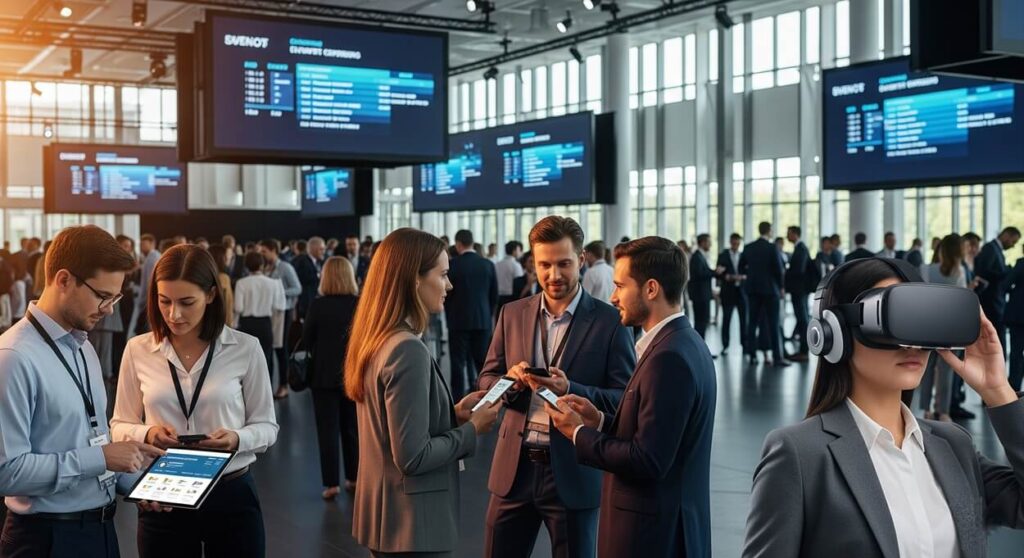
Your goal should be not only to personalize the onsite experience but to make it as seamless as possible.
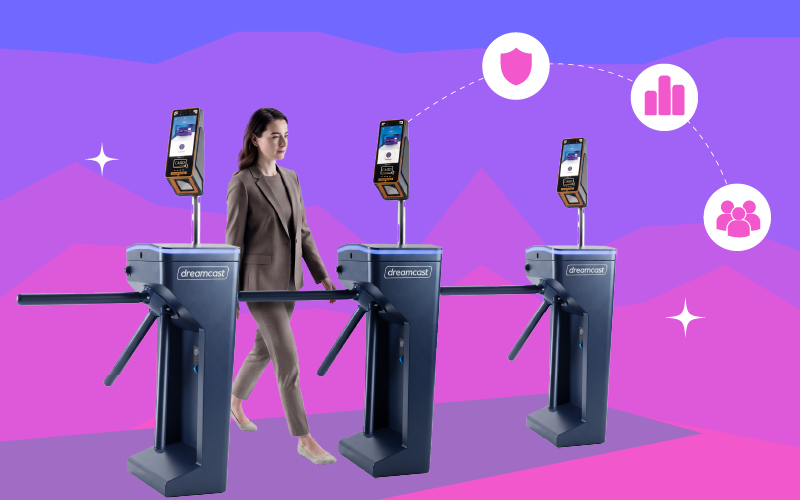
Leverage Event Technology Solutions to Personalize Check-in Experience
Check-in experience can set your event apart. Having a fast, smart, and memorable check-in sets the tone.
So how do you make that check-in feel special?
Use event tech to your advantage.
- QR Codes for Quick Entry: Nobody likes waiting in line. Let attendees breeze through check-in by scanning a personalized QR code.
- Facial Recognition for That Futuristic Touch: Want to make check-in impressive? Facial recognition check-in adds a high-tech, VIP vibe.
- NFC-Enabled Badges for Smart Interactions: These aren’t your average name tags. NFC badges can unlock personalized features around the venue.
Personalized Welcome Screens
Check-in kiosks can do more than you think. Show personalized welcome messages or agenda highlights based on who’s checking in.
Smart Networking and Matchmaking
Events often involve random meetings. You can enhance networking by using smart networking and matchmaking to connect like-minded people. Attendees will actually introduce and meet only those who meet their goals and interests.
Personalized Swag or Booth Interactions
Interactions at booths can also be personalized according to the needs. Also, exhibitors can use the data to create the demos and conversations more personalized.
Moreover, swag bags are a great branded giveaway for attendees. You can personalize the swag bags based on different types of attendees and audience categories.
3. Personalize Post-Event Engagement
Just because your event is over doesn’t mean the attendee journey is. In fact, the post-event phase is the perfect opportunity to keep the conversation going, and personalization makes it all the more meaningful.
Make Your Follow-Up Emails Feel Personal
Nobody wants a cold, generic “thanks for attending” email. Instead, send messages that feel like you actually know them. Include a quick recap of what they attended, a personalized thank-you note, or even an exclusive offer based on the sessions they loved. Bonus points if you throw in a fun highlight reel.
Curated Content Libraries for the Win
No one catches everything during an event. So give them a second chance to dive into content that actually matters to them. Share access to session recordings, speaker slides, or bonus materials tailored to their interests. A marketer might get strategy-focused content, while a developer gets deep dives into tech talks.
Personalized Surveys and Feedback Forms
Don’t send the same bland feedback form to everyone. Instead, craft survey questions that speak directly to someone’s experience. If they attended a marketing track, ask what they thought about those sessions. If they spent time at specific booths, ask how helpful the interactions were.
This makes attendees feel heard and gives you way more actionable insights in return.
“The future of event engagement is not more content; it’s more relevance. Attendees don’t want to see everything available at an event. They want help discovering the sessions, people, and opportunities that matter most to them.”
— Event Experience Strategist
What Event Personalization Actually Looks Like in Practice
Many event organizers understand the concept of personalization but struggle to apply it effectively. The most successful event personalization strategies begin before attendees arrive.
During registration, organizers can collect information such as:
- Industry
- Job role
- Interests
- Learning goals
- Preferred topics
- Networking objectives
This information becomes the foundation for a personalized event experience.
For example:
- A marketing leader may receive recommendations for growth-focused sessions.
- A startup founder may receive investor networking suggestions.
- A technology executive may receive AI-focused content recommendations.
- Personalization can also improve onsite experiences.
Examples include:
- Personalized agendas
- Smart matchmaking
- Recommended exhibitors
- Session suggestions
- Customized event app experiences
- Dynamic push notifications
The most advanced events use attendee behavior to continuously improve recommendations throughout the event.
For example, if an attendee repeatedly visits AI-related sessions, the platform can automatically suggest relevant speakers, networking opportunities, and exhibitors.
This transforms personalization from a marketing tactic into a practical attendee engagement strategy. The ultimate goal is not customization for its own sake. The goal is to help attendees find relevant people, content, and opportunities faster.
Read more about: 13 VIP Event Ideas: Handling VIPs & High Profile Guests At Events.
Tips to Implement Event Personalization
You don’t need to be a tech wizard to get started with personalization. Here are some tips to implement event personalization strategies:
1. Use Data for Your Advantage
You can’t personalize what you don’t know.
Make the best use of event registration, analytics, and data insights (like which emails they open or sessions they view) to think of your attendee preferences.
Don’t overdo it, just collect the essentials that tie to your goals.
2. Choose the Right Event Tech
You need a tech stack that can support personalization.
Choose the right event tech, such as:
- Registration platforms with customized forms
- Apps that support smart agendas and matchmaking
3. Don’t Go Overboard
Yes, personalization is great. But too much can feel creepy or overwhelming. You don’t have to push notifications just because someone has walked into a session.
Balance automation with a human touch. Always offer an opt-out. And let attendees tweak their preferences.
4. Measure and Improve
Track how well your personalization worked.
Look at the insights like:
- Session attendance vs recommendations
- Engagement throughout the event
- Networking success through matchmaking
- Feedback around the experience
Wrapping Up
Event personalization is no longer a nice-to-have feature. It has become a core component of attendee engagement. As events grow in size and complexity, attendees need help finding the most relevant sessions, exhibitors, networking opportunities, and content. The organizations that succeed are those that reduce information overload and create experiences tailored to individual attendee goals.
Effective personalization combines attendee data, intelligent recommendations, targeted communications, networking opportunities, and real-time engagement insights. When implemented correctly, it improves attendee satisfaction, increases engagement, strengthens sponsor value, and delivers better event outcomes.
This is where Dreamcast makes a difference. Dreamcast’s event technology ecosystem enables organizers to create personalized attendee journeys through smart registration, event apps, attendee matchmaking, networking recommendations, engagement tracking, push notifications, and real-time analytics. Whether you are managing a conference, exhibition, corporate event, or large-scale convention, Dreamcast helps transform generic event experiences into meaningful, attendee-centric journeys that drive measurable results.
FAQs
Start by collecting attendees’ interests, goals, and preferences during registration. Use this information to recommend sessions, networking opportunities, and content.
Track engagement metrics such as session attendance, networking participation, app activity, meeting requests, and attendee satisfaction scores.
Focus on relevance rather than excessive data collection. Use information attendees willingly provide and clearly communicate how it improves their experience.
Use attendee interests, job roles, industries, and objectives to recommend relevant connections and meetings.
Event apps, matchmaking tools, AI recommendations, attendee analytics, and behavioral tracking can all help deliver personalized experiences.
Use automation, segmentation, and intelligent recommendation engines. Manual personalization becomes difficult at scale, which is why event technology is essential.