


TL;DR
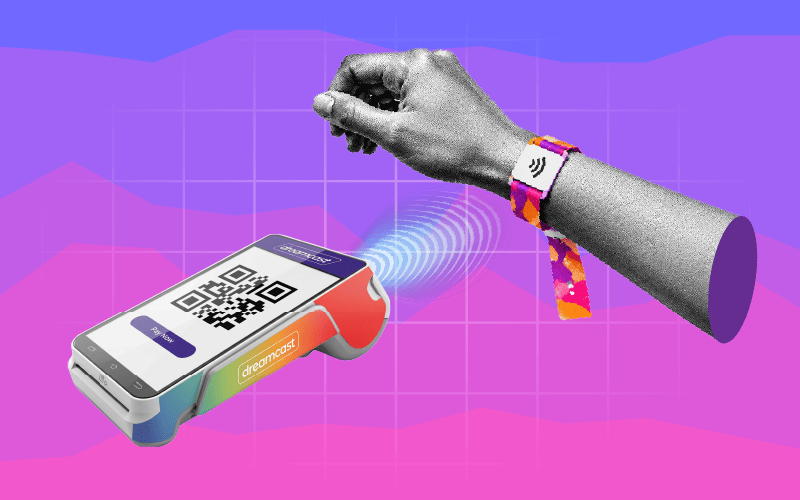
NFC and QR code payments are two of the most widely used cashless payment methods. NFC enables instant tap-to-pay transactions, while QR codes allow payments through a simple scan. Both help businesses and event organizers speed up transactions, reduce cash handling, improve security, and provide a smoother payment experience.
Key Takeaways
- NFC and QR code payments have become leading technologies for cashless transactions worldwide.
- NFC payments allow users to complete purchases with a simple tap using smartphones, smart cards, or wearable devices.
- QR code payments work by scanning a unique code through a mobile payment app, making them accessible even without specialized hardware.
- Digital wallet adoption continues to grow as consumers seek faster and more convenient payment options.
- Contactless payment methods can reduce checkout times and improve customer satisfaction.
- NFC transactions typically take only a few seconds, making them suitable for high-volume environments such as events, stadiums, and festivals.
- QR code payments are often easier and less expensive for businesses to implement because they require minimal infrastructure.
- Both payment methods offer strong security features, including tokenization, encryption, and authentication measures.
Cashless payment methods have become a necessary component of our daily lives in this cutthroat environment. Near Field Communication (NFC) and QR code payment technologies are two of the most revolutionary of these systems; they enable safe, contactless transactions via smartphones and other devices. These technologies, which support a large number of e-wallet transactions, are becoming more and more well-known worldwide because to their increased security, speed, and ease of use. We’ll examine the operation of NFC and QR code payments, their special benefits, and why they are the way of the future for e-wallet transactions in this blog.
What are NFC and QR Code Payment Systems?
The NFC Payment System
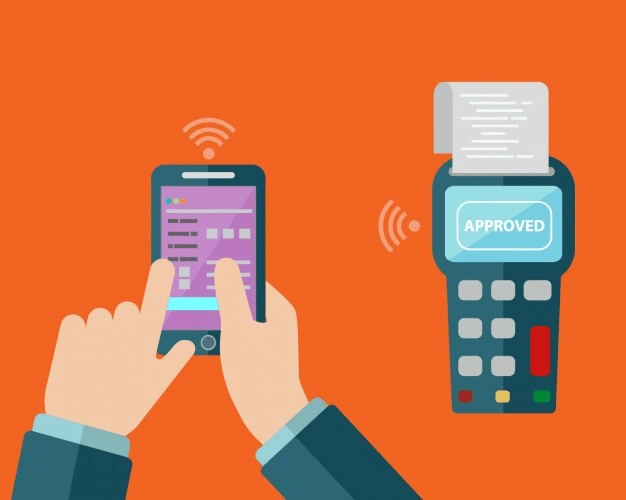
When two devices are close to one another, usually less than 4 cm, they can communicate information via a wireless communication method called NFC (Near Field Communication). It is most frequently utilized in contactless payment systems, in which customers start a transaction by merely tapping their card or smartphone that supports NFC against a suitable reader. Since NFC technology is built into the majority of advanced mobile, it is a normal form of payment. Applications that allow users to link their bank cards to their digital wallets for smooth transactions, such as Apple Pay, Google Wallet, and Samsung Pay, frequently employ NFC payments.
QR Code Payment System
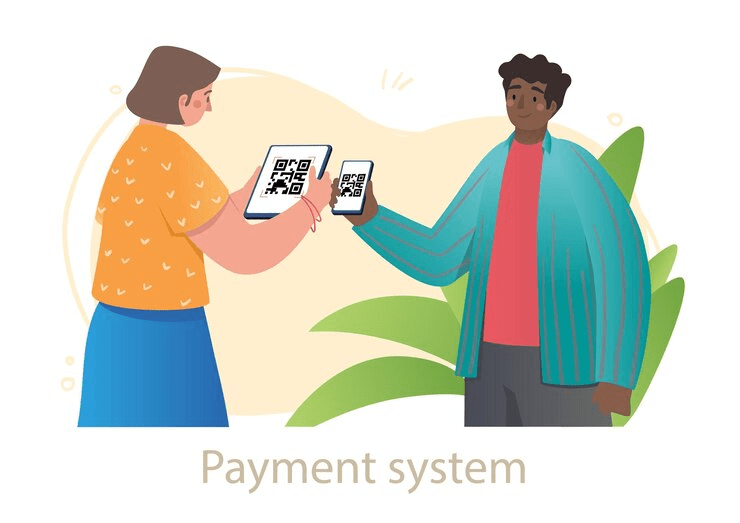
Two-dimensional barcodes known as QR codes (Quick Response codes) have the ability to compactly store information, including payment data. A payment link is launched when a user uses the camera on their smartphone or a dedicated app to scan a QR code. This link takes the user to a transaction screen where they may finish the payment. In nations like China, where systems like Alipay and WeChat have incorporated QR code payments into daily life, the practice is especially common.
Compared to NFC, QR code payments are more widely available since they don’t require specific gear. Because it is easy to use and inexpensive to set up, this payment method has gained popularity.
What are the Benefits of NFC and QR Code Payment Systems?
Speed and Convenience
With just a tap, transactions may be finished in a matter of seconds, making NFC one of the quickest payment options. The time spent on conventional point-of-sale transactions is greatly decreased when users scan a code to swiftly launch a payment link.
Increased Security
Tokenization, which replaces sensitive data with a distinct digital identification, adds extra security layers to NFC payments and gives retailers and customers peace of mind.
Broad-Based Compatibility
While a QR code payment system may be utilized with any smartphone camera and does not require specific hardware, NFC payments are compatible with the majority of contemporary smartphones and point-of-sale systems.
Cost-Effectiveness
Because QR payment systems do not require complicated equipment or considerable setup, they are very inexpensive and perfect for small and medium-sized enterprises.
Contactless Transaction
Due to hygienic concerns, contactless payment has become increasingly popular. NFC and QR code technologies solve this issue by doing away with the necessity for in-person interaction at the point of sale.
Flexibility Across Platforms
An NFC digital wallet works seamlessly with mobile banking apps, while a QR code mobile payment system can be integrated into e-commerce platforms, food services, and retail outlets. This flexibility makes both systems suitable for a wide range of industries.
Ease of Adoption
The QR code payment system is simple to implement, requiring only a printed or digital code. NFC digital wallets are equally easy for users, as they only need to add their card details once. This ease of adoption encourages faster acceptance among businesses and customers.
Enhanced Customer Experience
A smooth checkout process improves satisfaction. When customers use an NFC digital wallet or a QR payment system, they spend less time waiting and more time engaging with the service or product. This creates a positive impression that encourages repeat usage.
Scalability for Growth
Both NFC and QR code mobile payment systems can scale with business expansion. Whether a company operates locally or expands globally, these systems adapt without heavy infrastructure changes, making them reliable for long-term growth.
Read More:- Why Event Organizers Should Adopt a Smart NFC Cashless Payment System
How E-Wallet Transactions Use NFC and QR Code Payments
1. Linking Payment Information:
Customers link their credit card, debit card, or bank account to their electronic wallet. These details remain safe and encrypted while using NFC. A similar configuration is utilize for QR codes within the application, which creates a different code for every transaction.
2. The Transaction’s Start:
- NFC Payments: When using an NFC-enabled payment terminal, users hold their mobile close to it. Once the device and terminal are in communication, the transaction is finished.
- Payments by QR Code: When customers scan the QR code at the point of sale, their e-wallet app displays the payment details. After that, the user approves the payment to finish the transaction.
3. Confirmation and Receipt:
The user can consult the confirmation message or receipt they receive in their e-wallet app after making the payment, if necessary.
Why Future E-Wallet Transactions Will Be Shaped by NFC and QR Code Payments
Acceptance and Growth Worldwide
Whether it is a music concert or a large cashless food event, most event organizers are increasingly adopting NFC and QR code payments. This increasing acceptance suggests that digital wallets may eventually completely replace conventional payment systems.
Wearables and IoT integration
With the Internet of Things (IoT), NFC technology has created new opportunities by facilitating easy payments via wearable technologies like smartwatches. This adaptability points to a future of fully integrated payment systems and is consistent with the rising trend toward smart gadgets.
Cross-Border Transaction Support
Because they make currency translation and payment processing simple, QR codes are particularly useful for international payments. In areas with inadequate banking infrastructure, QR payments are becoming more and more popular, opening the door to international digital payment options.
Improving Security Procedures
Tokenization, biometric verification, and multi-factor authentication are all included in NFC and QR code payments to allay consumer fears of fraud. These technologies are a good substitute for conventional card payments as they are getting more and more secure against online attacks.
Enhanced User Experience
Both NFC and QR codes are setting the standard for e-wallet use with their quick and easy checkout processes. Users may touch and pay without launching an app using NFC, while QR codes offer a comparable experience with less human effort, increasing user happiness.
Potential Challenges and Considerations
Infrastructure Needs
QR code solutions require dependable internet connectivity and sufficient smartphone battery life, which might be difficult in some places, whereas NFC payments require compatible point-of-sale systems.
Privacy Issues
Users using NFC and QR code transactions must save private information on their phones. Secure authentication and encryption techniques, however, have greatly reduced these concerns
Adoption by Consumers
Businesses must make educational efforts to promote broad usage of NFC and QR payments since, despite their popularity in many locations, some customers are still not aware of these technologies.
Alternative Payment Methods
Other digital payment techniques, such as online banking transfers are competing with NFC and QR code payments as mobile payment alternatives expand. These methods may provide clear benefits in certain circumstances.
Combining NFC and QR Code Technologies
Combining NFC and QR code payment technology has enormous potential to create a quick, safe, and ubiquitous digital payment solution. Imagine an e-wallet that, without the need for specialist equipment, can create QR codes for fast payments and process NFC for tap-and-go transactions. By combining these technology, you create a flexible and extremely secure payment environment. With the integration of NFC and QR code technology, e-wallet transactions appear to have a bright future. The e-wallet platforms will become more adaptable, integrating both systems to guarantee usability, security, and accessibility for a wider range of users.
Conclusion
NFC and QR code payment systems have changed how people pay, making transactions faster, safer, and more convenient than traditional payment methods. As digital wallet adoption continues to grow worldwide, these technologies are becoming a core part of everyday payments across retail stores, restaurants, transportation services, events, and online businesses.
While NFC payments offer near-instant tap-to-pay experiences, QR code payments provide a flexible and cost-effective option that can be deployed with minimal infrastructure. Together, they give businesses and consumers multiple ways to complete secure cashless transactions.
For event organizers and businesses, the benefits go beyond payment processing. NFC and QR code systems can help reduce queues, improve operational efficiency, lower cash-handling risks, and provide valuable transaction insights through real-time reporting. These advantages contribute to better customer experiences and smarter business decisions.
As demand for contactless payments continues to rise, organizations that invest in NFC and QR code payment solutions will be better prepared to meet customer expectations and support future digital payment trends. The future of e-wallet transactions is built on speed, security, convenience, and accessibility, and NFC and QR code technologies are helping lead that change.
FAQs
Ans : NFC payments use short-range wireless technology that allows users to make payments by tapping a smartphone, smart card, or wearable device on a payment terminal. QR code payments require users to scan a QR code using a mobile payment app. NFC is generally faster, while QR codes are often easier and less expensive to implement.
Ans : NFC payments are typically faster because users only need to tap their device on a payment terminal. QR code payments require scanning a code and confirming the transaction within an app, which may take a few extra seconds.
Ans: Yes. Both payment methods use security measures such as encryption, tokenization, and user authentication. Many e-wallets also provide additional protection through PINs, passwords, fingerprint scans, or facial recognition.
Ans: NFC payments use Near Field Communication technology to transfer payment information between a mobile device, smart card, or wearable and a payment terminal. The transaction is completed when the two devices are placed close to each other, usually within a few centimeters.
Ans: QR code payments work by scanning a unique code with a mobile payment application. The code contains payment information that allows the user to approve and complete the transaction directly from their e-wallet.
Ans: NFC payments can sometimes work without an active internet connection, depending on the payment provider and device settings. However, the transaction data is generally synchronized once internet access becomes available.