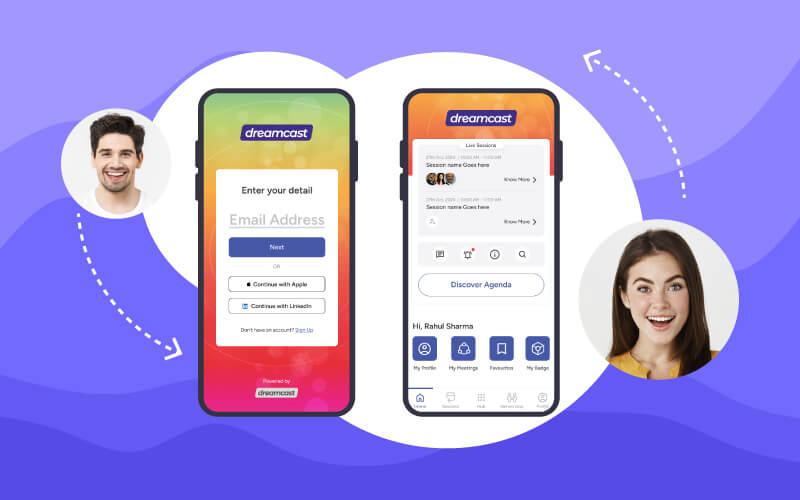



Event registration can make or break an event long before attendees arrive. In 2026, organizers face rising attendee expectations, increasing privacy requirements, and greater pressure to prove event ROI. The most common registration mistakes include lengthy forms, poor mobile experiences, limited payment options, weak communication workflows, disconnected systems, and focusing on registrations instead of attendance.
Avoiding these mistakes can help improve registration conversions, attendee satisfaction, attendance rates, and overall event performance. This guide covers the 10 most costly registration mistakes and practical ways to prevent them.
The landscape of event technology has officially evolved. In 2026, event registration is no longer just a passive digital ticket portal; it serves as the core data engine for your entire event ecosystem. AMW Group reports that 78% of event organizers use event management software for registration, ticketing, and attendee management.
With the rapid introduction of AI-driven personalization, real-time data integrations, and heightened security requirements, the efficiency of your sign-up workflow directly determines the success of your entire attendee journey. When your brand relies on ancient, disjointed registration setups, you are actively sacrificing conversions and diluting your data quality before the event even kicks off.
In this blog, we will talk about these 10 critical event registration mistakes that you must avoid to keep your event execution smooth and high-converting.
Why Event Registration Matters More Than Ever in 2026
Did you know that HubSpot reports that email marketing delivers an average ROI of $36 for every $1 spent, making automated attendee communications one of the most cost-effective event marketing channels? Event registration is often the first interaction attendees have with your event. A smooth registration process creates confidence and excitement. A frustrating one can cause potential attendees to abandon the process before they ever reach your event.
As events become more data-driven and attendee-centric, registration has evolved into a critical touchpoint that affects:
- Registration conversion rates
- Attendee satisfaction
- Event attendance
- Sponsorship value
- Data quality
- Overall event ROI
Modern attendees expect registration experiences that are fast, mobile-friendly, secure, and personalized. If your registration process creates friction, attendees will likely move on to other opportunities.
How Attendee Expectations Have Changed
Today’s attendees are accustomed to seamless digital experiences from platforms like e-commerce websites, streaming services, and travel booking apps. They expect the same level of convenience from event registration.
Common attendee expectations include:
- One-click registration options
- Mobile-friendly forms
- Multiple payment methods
- Instant confirmations
- Personalized recommendations
- Secure data handling
The Cost of Registration Friction
Even small barriers can significantly impact registration performance. For example, forms that require too much information, slow-loading registration pages, complicated payment processes, poor mobile usability, and unclear pricing structures
Each additional step increases the likelihood of abandonment of the registration process.
What Makes a Successful Event Registration Process?
IBM estimates that poor data quality costs organizations an average of $12.9 million annually, highlighting the importance of accurate registration data collection and management. Before discussing mistakes, it’s important to understand what effective event registration looks like. A successful registration process should be:
- Fast
- Simple
- Mobile-friendly
- Secure
- Personalized
- Integrated with event systems
- Easy to track and analyze
The best registration systems remove unnecessary effort while providing organizers with valuable attendee data. This is why every organizer needs these registration metrics, which they should track, including the following performance indicators:
- Registration conversion rate
- Form abandonment rate
- Payment completion rate
- Registration source tracking
- Attendance-to-registration ratio
- Average registration completion time
These metrics help identify areas where friction may exist.
Event Registration Mistakes Every Organizer Must Avoid
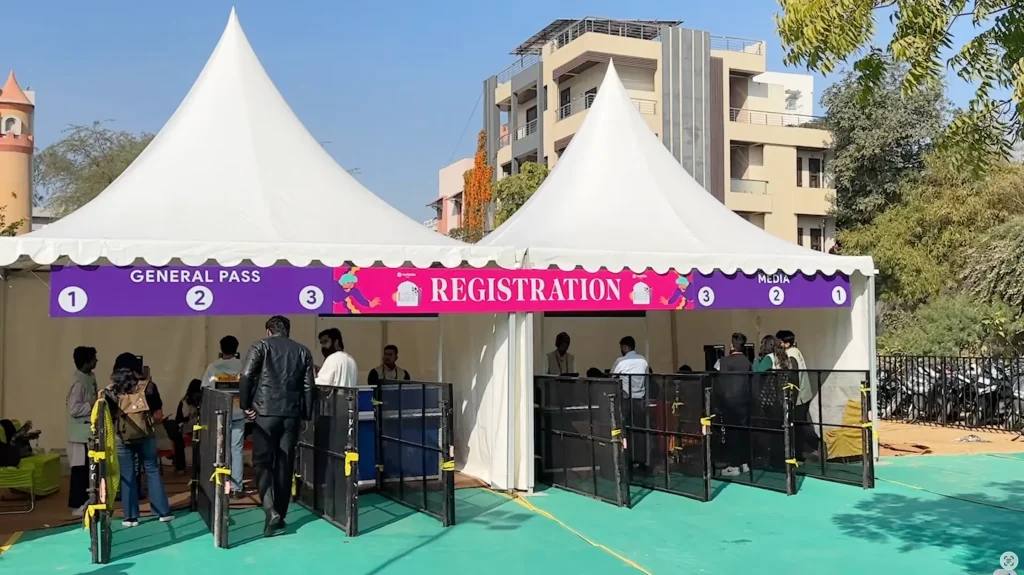
Now, after knowing the importance your registration process holds from the perspective of overall event success. You need to know some major things that you need to avoid. Here you go.
1. Creating Long and Complicated Registration Forms
One of the biggest mistakes event organizers continue to make is asking attendees for too much information during registration.
Many organizers attempt to collect every possible detail upfront, including job titles, company information, dietary requirements, preferences, demographics, social profiles, and more.
The result?
Attendees become overwhelmed and abandon the process.
Why Long Forms Hurt Conversion Rates
Every additional field increases cognitive effort. When attendees encounter a lengthy registration form, they begin asking themselves:
- Is this event worth the effort?
- Why do they need all this information?
- Can I complete this later?
But know this, many never return.
What Information Should You Collect?
Focus on essential information first:
- Name
- Email address
- Organization (if relevant)
- Ticket selection
- Payment details
Additional information can be collected later through event apps, surveys, or attendee profiles.
Best Practice
Use progressive profiling by collecting critical information during registration and gathering additional insights throughout the attendee journey.
2. Ignoring Mobile Registration Experience

According to Google, 53% of mobile users abandon a website that takes more than three seconds to load. This is why mobile registrations continue to grow across conferences, exhibitions, webinars, trade shows, and corporate events. Yet many registration forms are still designed primarily for desktop users.
Common Mobile Registration Problems
Here are some examples of mobile registration issues that can create immediate frustration.
- Small form fields
- Difficult navigation
- Excessive scrolling
- Slow page loading
- Non-responsive design
Why Mobile Optimization Matters
Potential attendees often discover events through:
- Social media
- Email campaigns
- Messaging apps
- Online communities
Many click registration links directly from their phones. If the experience is poor, conversions suffer.
Best Practice
Mobile-first design should be considered mandatory in 2026. Test registration workflows across:
- iOS devices
- Android devices
- Tablets
- Multiple browsers
Also Read: Event Registration Funnel Optimization: 5-Step Fix To Boost Check-In
3. Offering Limited Payment Options

Payment friction remains one of the most common reasons attendees abandon event registrations. An attendee may be ready to purchase a ticket but leave if their preferred payment method is not available.
Common Payment-Related Mistakes
- Accepting only credit cards
- Limited local payment methods
- Poor currency support
- Complicated checkout flows
- Lack of digital wallet integration
What Attendees Expect in 2026
Modern attendees increasingly expect:
- Credit cards
- Debit cards
- Digital wallets
- Buy-now-pay-later options
- Regional payment methods
- Corporate invoicing
International events often require multiple payment options to serve diverse audiences.
Best Practice
Offer payment flexibility based on attendee location and event type. The fewer barriers between ticket selection and payment confirmation, the higher your conversion rate.
4. Failing to Personalize the Registration Journey
Did you know that Forrester Research found that 84% of event teams consider attendee personalization a major strategic priority? Many registration processes still treat every attendee exactly the same. This creates a generic experience that fails to reflect attendees’ interests and needs.
What Personalized Registration Looks Like
To understand how personalization takes place in the registration process, we have some examples as listed below:
- Different registration paths for attendees and exhibitors
- Customized ticket recommendations
- Personalized agenda suggestions
- Industry-specific content options
- Location-based communication
Why Personalization Matters
Research published by EventBeds found that 80% of attendees are more likely to engage with personalized event experiences. Personalization helps attendees feel that the event is relevant to them. It can also improve:
- Conversion rates
- Session attendance
- Networking participation
- Overall engagement
Best Practice
Use registration data intelligently to create tailored attendee experiences from the very beginning.
5. Neglecting Data Privacy and Compliance Requirements
As privacy regulations continue to evolve globally, event organizers must be more careful about how attendee information is collected, stored, and used. Ignoring compliance is no longer simply a legal risk. It can damage attendee trust.
Common Compliance Mistakes
- Unclear consent language
- Missing privacy notices
- Excessive data collection
- Insecure data storage
- Lack of attendee data controls
Building Trust Through Transparency
Attendees are increasingly aware of how their information is handled, which clearly explains:
- What data is collected
- Why is it collected
- How it will be used
- Who will have access to it
Transparency improves confidence and reduces hesitation during registration.
Best Practice
Work with event registration platforms that support privacy compliance and secure data management practices.
6. Not Automating Confirmation and Reminder Communications
Many event organizers focus heavily on getting registrations but overlook what happens immediately afterward. The period between registration and the event day is critical. Without timely communication, attendees may forget about the event, lose important information, or simply fail to attend. Also, research from AMW Group shows that 92% of event planners believe mobile event apps improve attendee engagement and communication.
Why Communication Gaps Increase No-Show Rates
Imagine registering for an event and receiving nothing until the event day. Many attendees will:
- Forget they registered
- Miss important updates
- Lose access details
- Fail to add the event to their calendar
This directly impacts attendance rates.
Essential Registration Communication Workflows
Every event should be automated:
- Registration confirmation emails
- Calendar invitations
- Payment receipts
- Event reminders
- Venue directions
- Speaker announcements
- Last-minute updates
- Beyond Email: Multi-Channel Communication
In 2026, attendees expect communication across multiple channels. According to WorldMetrics, 73% of event organizers use analytics to measure attendee engagement and improve future events. This is why we consider using:
- SMS
- Mobile push notifications
- Best Practice
Build an automated communication journey from registration through post-event follow-up to keep attendees informed and engaged.
7. Overlooking Waitlists and Capacity Management

Many events either sell out too quickly or struggle with fluctuating attendance numbers. Without a structured capacity management strategy, organizers often leave revenue and attendance opportunities on the table.
Common Capacity Management Mistakes
- Closing registration too early
- No waitlist functionality
- Manual attendee tracking
- Poor ticket inventory management
- Overbooking without contingency plans
Why Waitlists Matter
A sold-out event does not mean demand has disappeared. Waitlists allow organizers to:
- Capture additional interest
- Replace cancellations
- Forecast future demand
- Improve attendance rates
Best Practice
Use automated waitlist systems that immediately notify potential attendees when spots become available.
Also Read: Last-Minute Event Registrations: Smart Ways to Manage Them
8. Using Event Registration Software That Doesn’t Integrate with Other Tools
Many organizers still operate with disconnected systems. Imagine your registration data lives in one platform, marketing data lives elsewhere, and CRM records sit in another system.
The result is fragmented attendee information and inefficient workflows.
Problems Caused by Disconnected Systems
Disconnected systems often create:
- Duplicate data entry
- Reporting inconsistencies
- Delayed follow-up campaigns
- Poor attendee experiences
- Inaccurate performance metrics
Critical Integrations to Consider
Modern registration platforms should integrate with:
- CRM systems
- Marketing automation platforms
- Mobile event apps
- Payment gateways
- Event management platforms
- Analytics tools
Why Integration Matters
Integrated systems allow organizers to create a complete attendee journey while improving operational efficiency and reporting accuracy.
Best Practice
Choose event registration software that supports smooth integrations and centralized attendee data management.
“The attendee experience begins long before someone walks through the venue doors. Registration is often the first meaningful interaction with an event, and every point of friction during that process increases the likelihood of losing potential attendees.”
— Julius Solaris, Event Industry Analyst and Founder of Boldpush
9. Failing to Test the Registration Process Before Launch
Many registration problems are entirely preventable. Yet organizers frequently launch registration portals without conducting adequate testing.
Common Issues Found During Testing
Testing often reveals:
- Broken payment gateways
- Missing confirmation emails
- Mobile responsiveness issues
- Incorrect ticket pricing
- Registration form errors
- Accessibility problems
The Cost of Launching Too Early
Registration issues discovered after launch can:
- Damage attendee trust
- Reduce conversions
- Increase support requests
- Create negative brand perceptions
A Simple Pre-Launch Testing Checklist
Before launching registration, you need to check the following things:
✓ Complete test registrations
✓ Verify payment processing
✓ Test confirmation emails
✓ Validate discount codes
✓ Review mobile performance
✓ Check calendar integrations
✓ Test reporting dashboards
Best Practice
Run multiple test scenarios involving internal teams and external users before making registration public.
Read more about: Dreamcast Powers India’s Largest Startup Confluence: Startup Mahakumbh 2025
10. Focusing on Registrations Instead of Attendance
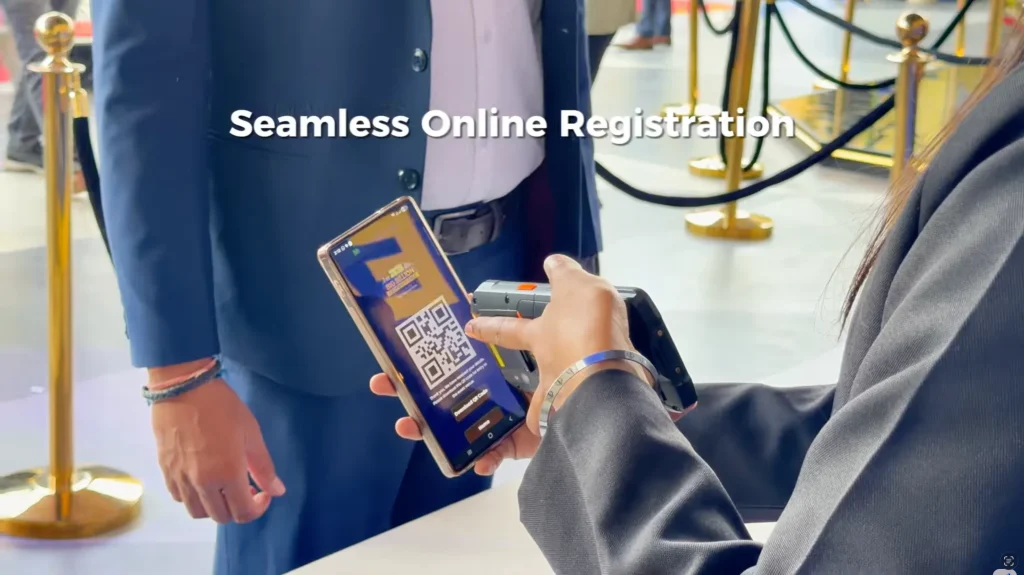
Many organizers celebrate registration numbers while ignoring a more important metric: actual attendance. A high registration count means little if attendees never show up.
Registration Numbers Can Be Misleading
An event may attract:
- 5,000 registrations
- 3,000 attendees
Without understanding attendance behavior, organizers may make poor decisions about marketing, venue planning, staffing, and budgeting.
Why Attendance Matters More
Attendance impacts:
- Sponsor value
- Networking opportunities
- Session engagement
- Event ROI
- Future event planning
Strategies to Reduce No-Shows
Successful organizers focus on:
- Reminder campaigns
- Personalized communications
- Calendar integration
- Attendee engagement before the event
- Flexible attendance options
Best Practice
Measure success using attendance rates and engagement metrics, not registrations alone.
Overview of Event Registration Mistakes
| Mistake | Potential Impact | Recommended Solution |
| Long registration forms | High abandonment rates | Collect only essential information |
| Poor mobile experience | Lost mobile conversions | Adopt a mobile-first registration design |
| Limited payment options | Incomplete registrations | Offer multiple payment methods |
| Lack of personalization | Lower engagement | Create attendee-specific journeys |
| Compliance failures | Trust and legal risks | Implement privacy-first registration |
| Weak communication | Higher no-show rates | Automate confirmations and reminders |
| No waitlist strategy | Lost opportunities | Enable automated capacity management |
| Disconnected systems | Operational inefficiency | Use integrated event technology |
| Insufficient testing | Registration failures | Conduct comprehensive QA testing |
| Tracking registrations only | Misleading performance data | Measure attendance and engagement |
From the table above, we can see how each mistake can cause you a lot as an organizer. So, make sure you educate yourself and avoid them at any cost. You need a strong companion that can not only help you sort your registrations but also create a smooth event flow for thousands of attendees.

Last Words
Most event registration problems are not caused by a lack of attendees; they are caused by unnecessary friction.
In 2026, attendees expect registration experiences that are fast, personalized, mobile-friendly, secure, and convenient. Event organizers who continue relying on outdated processes risk losing registrations before the event even begins.
The strongest event registration strategies focus on simplicity. Every field, click, payment step, and communication should help attendees move forward with confidence.
Dreamcast can offer a reliable event tech solution for making your registrations smoother and smarter. They can help organizers optimize according to their event needs and help them see higher conversions, stronger attendance rates, and better event outcomes.
FAQs
The most common mistake is creating overly complicated registration forms that ask for too much information upfront, causing potential attendees to abandon the process.
Attendees often leave registration forms because they are too long, difficult to complete on mobile devices, require unnecessary information, or present payment friction.
You should open registration based on event type, audience, and marketing strategy, but most conferences and exhibitions benefit from opening registration several months before the event.
You should promote registration through email marketing, social media, event websites, partner channels, online communities, paid advertising, and attendee referral programs.
You should ensure registration data is managed by authorized event, marketing, and operations teams while maintaining compliance with relevant privacy regulations.
You can improve conversions by simplifying forms, optimizing for mobile devices, offering flexible payment options, automating communications, and creating personalized registration experiences.